Call: (567) 318-7828
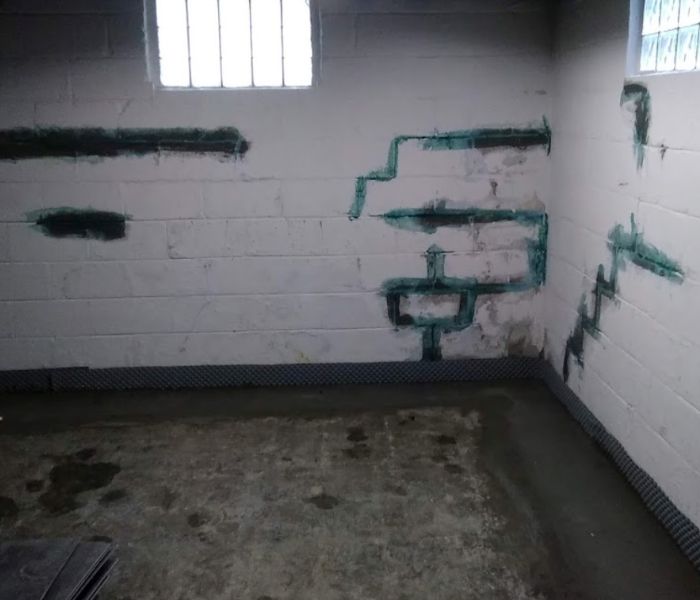
Has your basement started looking more like a funhouse hall of mirrors than a functional living space? Bowing basement walls are no joke - left untreated; they can lead to serious structural issues.
How can bowing walls be fixed? In short, by waterproofing the exterior, installing steel braces or carbon fiber reinforcement on the walls, and making any needed repairs to the interior framing and finishes. However, severe bowing may require extensive structural repairs by engineering professionals.
But never fear - with the right approach, you can have your cracked walls looking right as rain again. So grab your toolbelt, flex those DIY muscles, and let's get to work reinforcing your foundation.
Before rushing into repairs, carefully inspect the bowing walls to understand what you're dealing with. Look for these trouble signs:
Once you spot the issues, determine if it's an active bow by measuring walls over time. Spreading cracks signal the bend is still in motion.
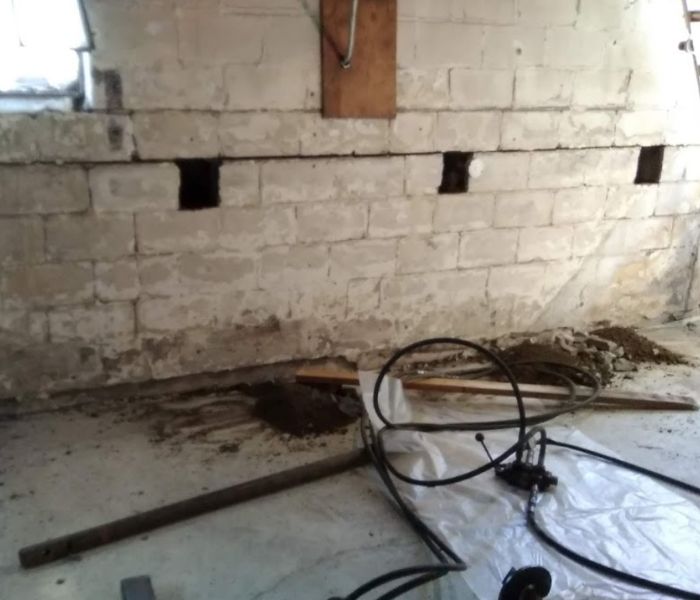
Moisture is public enemy number one when it comes to basement wall damage. As water seeps in from the soil outside, it presses against the walls and erodes materials. Solve any drainage issues to stop further bending stress:
Once you've stemmed the tide of incoming water, you can begin fortifying the walls themselves. Several structural solutions exist:
For minor bowing, install steel H-braces, X-braces, or I-beams to pull walls back into alignment. Just be sure to attach braces to floor and ceiling joints for maximum stabilization.
Drill anchors into bowing walls, then thread steel cables through the anchors. Tighten cable tension with a come-along jack to slowly straighten the walls. Watch for new cracks as you tighten - a sign to stop.
Carbon fiber straps have become a popular alternative to bulky steel braces. The lightweight straps are incredibly strong and can be coated right onto basement walls.
As a last resort for substantial bowing, concrete or helical metal piers are driven into the ground and tied to floor joists. This underpinning fortifies the foundation beneath buckling walls.

Once structural reinforcements shore up the bowing walls, tend to any cosmetic damage inside:
Fresh paint or drywall mud can hide formerly bowed surfaces. Just keep walls unadorned until all signs of movement cease.
Some basement wall bowing may be beyond the scope of DIY. Seek professional help if:
In those cases, extensive repairs like push pier undershoring, steel I-beam supports, or even rebuilding the foundation may be necessary.
With attentive monitoring, prompt waterproofing, and strategic bracing, you can pull those basement walls back into shape. Just use caution, take things slowly, and don't be afraid to call a structural engineer if you're in over your head!
About Toledo Foundation Repair Specialists
Since 1997, Toledo Foundation Repair Specialists has built a reputable foundation within the local community and abroad. Customers can expect nothing but the best service and affordable rates. Plus, the company always gives FREE inspections and estimates. Please call (567) 318-7828 to schedule an appointment.
How much bowing is acceptable for basement walls?
Minor bowing less than 1 inch is usually not a major cause for concern. Bowing between 1 and 2 inches can often be repaired with wall braces and waterproofing. Walls bowed 2 to 4 inches require more extensive repairs like carbon fiber straps or steel anchors. Bowing beyond 4 inches typically necessitates major structural work by contractors. Horizontal cracking along the top or bottom of walls indicates serious bending stress and instability. If you notice new cracks appearing after repair attempts, the walls are still moving and need additional reinforcement.
Is it common for basement walls to bow?
Some minor basement wall bowing is relatively common in homes over 50 years old. Factors like soil pressure, erosion, water damage, and seismic activity can gradually cause foundation walls to bend. Bowing tends to worsen over time if left unchecked due to continual stress on the walls. Cinderblock basement walls are more prone to bowing than poured concrete or brick because of their hollow cores. In colder climates, freeze-thaw cycles in the soil also contribute to basement wall movement. While minor bowing may not be a crisis, ongoing monitoring, and preventative maintenance are important to avoid serious failures.
What causes basement walls to bow outward?
The primary cause of outward basement wall bowing is hydrostatic pressure from water in the surrounding soil. This lateral force pushes against the exterior basement walls. Poor drainage around the home allows excessive water to accumulate around the foundation. Clogged gutters or downspouts, non-sloped grading, and lack of waterproofing all contribute to wet soil. The pressure induces bending stress gradually over time—cracks from low-quality construction, seismic activity, root growth, and erosion also compound basement wall instability.
