Call: (567) 318-7828

Your home's foundation is like the captain of a ship - it keeps everything structurally sound. So when problems arise, it's critical to assess if repairs will get your foundation ship-shape or if it's time to abandon the ship and replace it entirely.
So, when is a foundation beyond repair? A foundation with extensive cracking, bowing walls, sinking, moisture damage, or termite infestation is typically beyond repair and needs a full replacement. Signs like unevenness greater than 2 inches, massive spiderweb cracking, major bulging of walls, and chronic water erosion mean the foundation can't be salvaged, and a new foundation is required.
Let's take a deeper dive into the subject, shall we?
Like caped crusaders, foundation repair experts swoop in to analyze foundation cracks and determine if they’re just cosmetic or a sign of more sinister foundation issues.
Hairline cracks happen as concrete cures and contracts. Your foundation can develop wrinkles with age, just like your skin! Small cracks that don’t grow bigger year after year are usually just cosmetic blemishes, not structural deficits.
But if cracks expand, let water seep in, or reveal shifting, that’s a foundation 911 call. Time to summon the experts for an inspection.
“Step away from the DIY Foundation Repair Manual!” A professional assessment is the hero Gotham needs.

Has your house started crouching down like it’s getting ready for a game of hide-and-seek? Subtle sinking can be tricky to detect, but cracked walls, sticking doors, and unleveled floors are red flags.
Grab your toolbox and channel your inner Ace Ventura for some detectiving:
Uneven settling of over 1 inch requires pro inspection - it likely means structural instability underground.

Damp foundations make disintegrating foundations. Water is like a neon invitation for cracks and corrosion.
Check for:
Don’t panic about occasional dampness from rain or snow. But chronic moisture can weaken foundations and be difficult to repair. Prevention is key!

Termites love to chew through wood-framed foundations and floor joists. Signs of termite infestation include:
Catching infestations quickly improves the chances of extermination without major structural damage. But extensive termite destruction often necessitates foundation replacement.

Like that tattered t-shirt, you refuse to throw out, it’s hard to part ways with a damaged foundation. But if it displays these red flags, it may be beyond repair:
Bring in an engineer or foundation specialist for full diagnostics. They can determine if replacement is the only option or if targeted repairs can save the foundation.
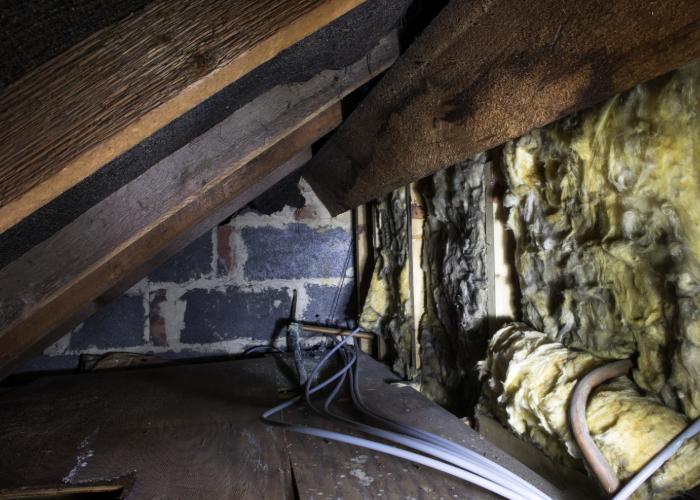
Foundations require customized solutions. A specialist will consider factors like:
Then they can provide repair or replacement recommendations with estimated costs.
Repairs like crack injections, waterproofing, and steel supports can fortify mildly damaged foundations. But if the damage is extensive, replacement provides the most lasting solution.

Some foundations just can't be salvaged. Here are 4 sure signs it’s time to replace your foundation:
Houses should sit level and stable. Significant 2 inches or more variances between sides indicate the foundation can’t properly support the structure.
A few small cracks are normal as foundations age. But large jagged cracks wider than 1/4 inch that spiderweb across the foundation means stability is severely compromised.
Bulging walls that are visibly curved signal the foundation is losing its structural integrity and ability to hold the home’s weight.
Chronic moisture erodes concrete and corrodes rebar reinforcement. Repairs can't undo the damage once water permeates deep cracks for years.
Repairs will likely fail or be short-lived if a foundation exhibits these extreme issues. Replacement becomes the necessary remedy.
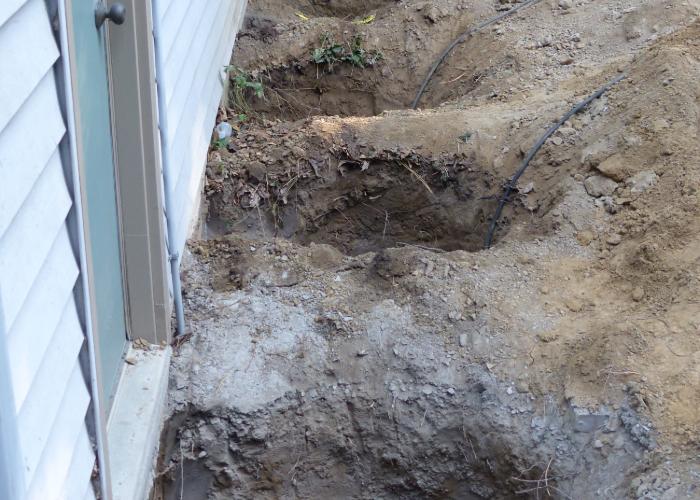
Mild foundation issues like small cracks or limited water damage can be repaired for $500-$5,000 based on severity. Extensive repairs for significant damage typically run $5,000-$15,000.
Major repairs near replacement scope average $15,000-$25,000. Just replacing a home’s foundation costs $20,000-$60,000 on average, depending on size and construction factors.
Get quotes from multiple foundation contractors to compare rates and recommended solutions. Avoid the cheapest bids - quality repairs should last decades.

Pouring money into a sinking ship makes no sense. But foundation issues left unchecked can make a home unlivable. Replacement restores structural integrity and functionality.
To determine if it’s a worthwhile investment, ask:
For homes you plan to occupy for years, foundation replacement can provide peace of mind the structure is sound.
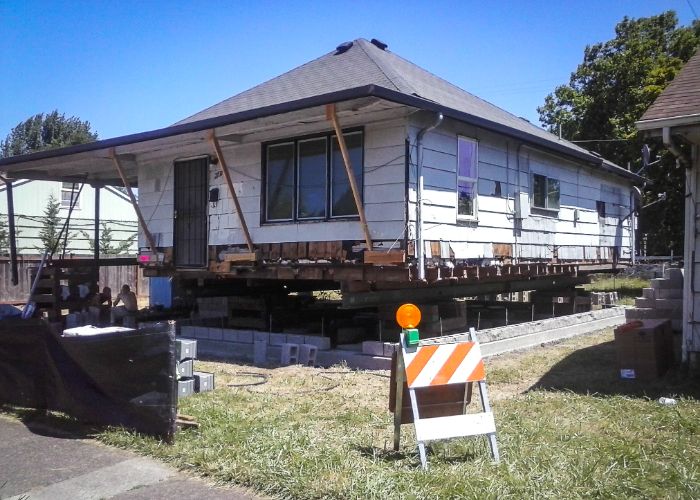
Handy folks heed this warning when foundation damage strikes: resist the urge to grab a bucket of concrete patch and trowel! DIY repairs often make problems worse long-term. Attempting foundation work without expertise can lead to the following:
Moral of the story: leave it to the pros! Correct diagnosing and repairing foundation issues requires experience.

Some repair jobs are Herculean tasks best left to the heroes with proven expertise. Foundation repair falls squarely in that category.
Signs your foundation is beyond DIY repair:
Seeking several professional opinions ensures you get an accurate diagnosis of the foundation’s issues and recommendations on the best repair or replacement options. Then you can make an informed decision on restoring your home’s structural stability for the long haul. Who you gonna call? Not Ghostbusters - foundation repair pros!
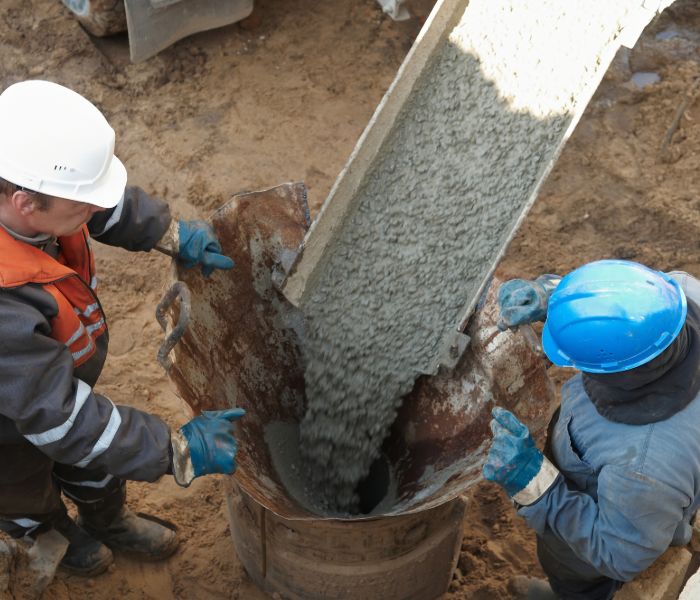
About Toledo Foundation Repair Specialists
Since 1997, Toledo Foundation Repair Specialists have provided top-notch care for residential and commercial structures. The team uses industrial equipment like excavators, hand tools, and other machines to do the job correctly the first time. Are you in need of an inspection or quote? Please call (567) 318-7828, and we'll get you set up.
When should you walk away from foundation problems?
Extensive uneven sinking over 2 inches indicates the foundation cannot properly support the home. Multiple large jagged cracks spreading across the foundation mean structural instability. Major bowing of walls signals the foundation is failing to bear the weight. Evidence of severe termite damage or rot shows critical supports are compromised.
Can a house with a bad foundation be saved?
Minor cracking or water damage can often be repaired if caught early. But major issues like uneven sinking, expansive cracking, and wall bowing typically mean the foundation is failing. Extensive termite destruction or rotting supports are usually impossible to fix. If a structural inspection confirms the damage is beyond repair, the only option is full foundation replacement. While costly, a new foundation can save a house that otherwise would continue deteriorating.
What is considered a failed foundation?
Major uneven sinking over 2 inches indicates the foundation can no longer properly support the home's weight. Extensive networks of wide, expanding cracks spreading across the foundation signal severe structural instability. Bowing basement walls or bending piers show the foundation elements are failing under the load and cannot hold the house.
How long does it take for foundation to settle after repair?
Most minor foundation repairs like crack injections will settle within 1-2 days as patching materials cure fully. Expect 1-2 weeks for significant settling and adjustment for more extensive repairs as repaired areas stabilize. Factors like soil type, moisture levels, and repair scope impact settle times. Have the foundation rechecked after 2-4 weeks to confirm repairs have leveled and cracking has not reoccurred before finishing surface repairs.
